Home / Thinking Zone / Human or AI? A Modern Frankenstein Tale
Trust in technology series: Human or AI? A Modern Frankenstein Tale
Trust in technology series: Human or AI? A Modern Frankenstein Tale
In the first of six pieces on trust in technology, eCom’s Creative Thinker Sophie McKay Knight explores why we need to keep the human in tech and talks to the writer of an intriguing new play from Stellar Quines Theatre Company, Frankie Stein, inspired by Mary Shelley’s gothic horror, Frankenstein.
Posted 12 May 2025

The fear of the so-called ‘robot uprising’ has been joked about for decades now, (predating any theoretical notion that it might actually happen one day…) and countless sci-fi films and stories, have featured terrifying non or part humans who have gone rogue after the hubris of humans ‘playing God’. But whilst irrational fears of being taken over by tech monsters might produce some nervous laughter, the real-world concerns around our modern, fast-developing technology are more likely to be about the spread of misinformation, bias, disruption and fraud – all things which cause us stress and deeply challenge our sense of trust.
How many times have you picked up your phone and been amazed at what it can do without a clue how it works? Or perhaps you have hurriedly saved your bank details during an online purchase and just trusted the tech not to rip you off? It is interesting that there is often deep mistrust around machines which appear to dehumanise and depersonalise our human arenas, but almost blind faith for the intuitive tech systems which we live alongside every day.
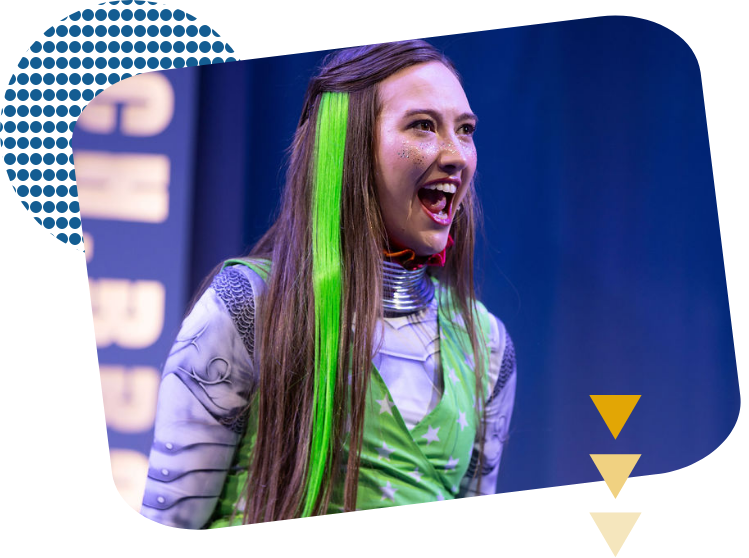
Earlier this month I caught up with writer Julia Taudevin about Stellar Quines’ newest production, Frankie Stein, and went to see it on the opening night – a darkly comic sci-fi play inspired by Mary Shelley’s novel of 1818, directed by Caitlin Skinner and with songs by Bethany Tennick. The production takes a feminist look at the rise of AI and the Tech Giants, and explores the impact of technology on our lives, the power imbalances inherent in Big Tech and what this means for gender equity.
Sophie: The central ‘creature’ character of the original novel by Mary Shelly was an unnamed male – but in the play, the creature is a female character and is called Frankie. Can you tell me a bit about her?
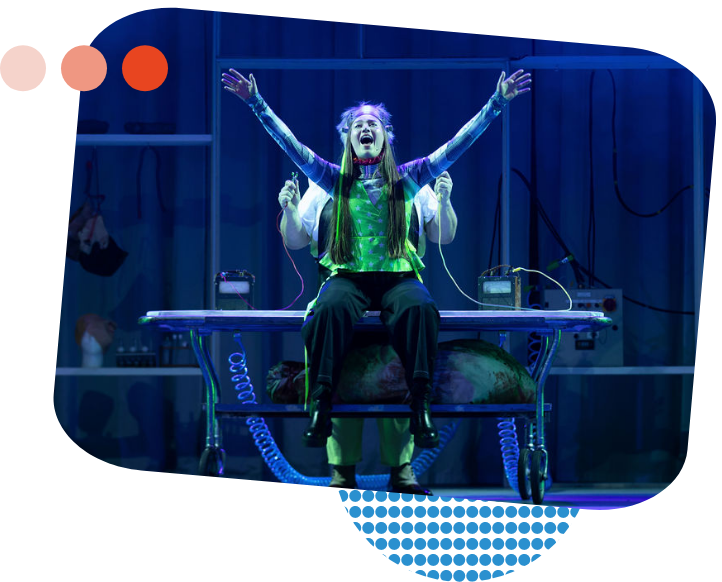
Julia: Yes, Frankie is a humanoid AGI, but at one point in the play she says she has been programmed with too much ‘human’ and not enough ‘oid’. The story follows her journey in deciding whether to become fully human or become fully bot – and she initially chooses her humanity – which means she then has to embrace the full spectrum of emotions which come with being human.
Sophie: That’s interesting because there is growing research into making AI appear more human so that it can be deemed trustworthy and more acceptable - especially in domestic settings. It’s well recognised that many AI bots have been made to look and sound female because of this perceived trust issue - although previously many of them were initially created to look like children – again, to lessen the perceived threat of harm from a humanoid machine. (Kathleen Richardson, professor of ethics and culture of robots and AI at De Montford University)
Julia: I did a lot of research into this actually and came across several examples of ‘female’ bots being treated like objects. In the play Frankie gets reprogrammed by women to reflect more human qualities, but then she becomes too ‘different’ and is therefore perceived to be imperfect, and is ultimately rejected for not being fully human.
Get in touch
At eCom we love to hear from people so if you have enjoyed this content from the Thinking Zone or would like to pose a question to our Creative Thinker in Residence then please do get in touch or follow us on LinkedIn.
Sophie: Frankenstein the novel originally had the subtitle, The Modern Prometheus – referring to the ancient Greek myth of him defying the gods by stealing fire and giving it to humanity. Obviously, there are direct parallels here with the story of Frankenstein, but what do you think about this concept of ‘playing God’ in the modern world of tech or in general?
Julia: Yes, I was very keen on my adaptation having a call back to the Prometheus subtitle but it was also important for the company that the show was accessible to a young audience and I couldn’t find a subtitle with a popular or populist enough reference for that. But yes, playing God features heavily in the script. The world of the play is a dystopian ‘Tech-Bro’ universe with unnamed characters based on the Donald Trumps and Elon Musks of the world so yeah, Frankenstein the creator is referenced as playing God, but the characters most condemned for playing God in the play are those in charge of the Tech-Bro sci fi world of the play. Kirkcaldy (where Stellar Quines is now based) is the backdrop to this post industrialist period – and this chimes with when the novel was written - during the Industrial Revolution. The issue of trying to earn money as a writer/creative person when AI has the ability to write anything within 10 seconds really impacts people, and obviously on how we earn money. So, the creature parallels with the monster of industry - the man-made - and also parallels with AI.
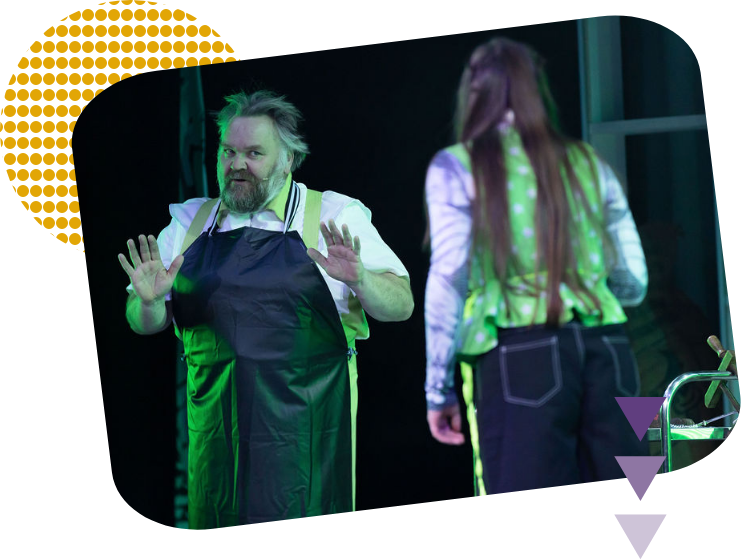
Sophie: From what I remember of the novel, the saddest part is that the creature feels abandoned by his creator, and only ‘turns bad’ because of this; I wonder how differently things might have turned out if Victor Frankenstein had stuck with his creature to educate and develop it? Many scholars have made comparisons to the creation of AI here - in the sense that, left unchecked, it could become dangerously unethical. There is already a keen realisation that we need to fact check everything which apps like ChatGPT tell us, lest the lack of ethical input starts to bite. The creature in the novel even says at one point, ‘I was benevolent and good; misery made me a fiend. Make me happy, and I shall again be virtuous.’ Governance is a big topic in tech, are there parallels within the play or your thoughts around this?
Julia: Yes, governance was a theme that I was very interested in when considering how to adapt the novel. But I would say as much as governance, or perhaps more than governance, I was interested in the themes of justice and accountability. Although neither of these themes made it into the final cut in a major sense, as governance wasn’t the biggest concern for the young people involved in the production. However, the dystopian sci-fi ‘tech bro’ world of the play does build a dark picture of governance based on a misogynistic monopoly of power and also deals with the theme of rejection. The Frankie character is rejected by both the sci-fi dystopian world of ‘tech bro’ and is also then rejected by humanity in a similar story arc to the creature in the novel - so our Frankie deals with rejection on multiple occasions. The outcome of this has been that the play focuses on themes of belonging more than accountability.
Sophie: We are back to trust then, aren’t we?
Julia: Yes. In the play, Frankie trusts to her own detriment; she is programmed to want to be accepted and when that trust is betrayed she gives up on being human. In turn, the humans distrust Frankie because of her technology parts when they find this out. Essentially the story presents the argument that tech exists to nurture humanity and it’s the ideology of the hands that it’s in which is key.
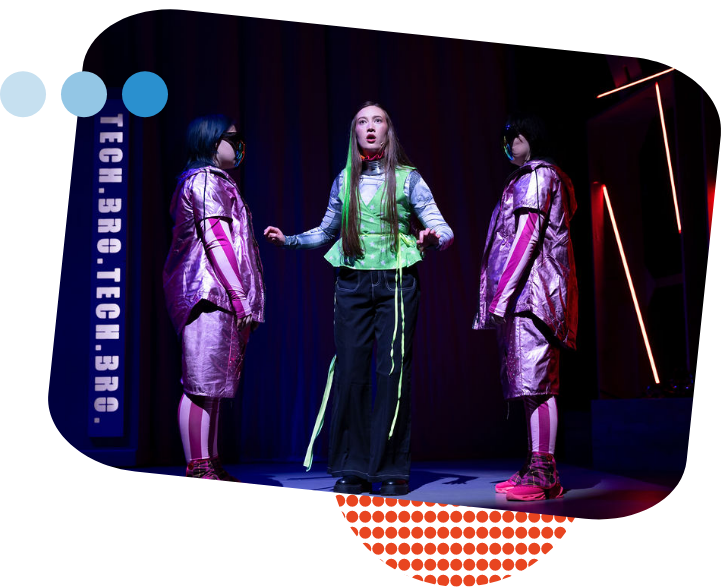
Sophie: Throughout the novel of Frankenstein, the creature learns to talk through a hole in the wall where he secretly watches a family interact with one another. He is the embodiment of machine intelligence and almost learns like an algorithm, but in the play, Frankie openly wants to be fully human.
Julia: Yes. She decides to actively choose her humanity, which means embracing the full spectrum of human emotions which come with that - and she discovers the less pleasant aspect of being human, notably the grief when her creator dies. And it is in experiencing that and specifically experiencing that at the hands of the brutality of humans (she witnesses her mother figure being killed by the humans in a mob who are after her) this means she sees what humans are capable of and she experiences the depth of human feeling – ultimately deciding she does not want it.
Sophie: I really enjoyed seeing the live production of Frankie Stein; it was a brilliant combination of funny and thought provoking, and the audience were clearly very engaged throughout. The interplay between the central characters was poignant at times, with excellent support from a community cast who were a joy to watch. It really did make me think about how trust is a key component of all relationships, and particularly now, when tech and AI is part of our everyday lives. To see the portrayal of a humanoid in tears after being betrayed also made me wonder about the rights and future rights of AGI creations – we will see how that develops in terms of ethics! The set, costumes, music and lighting all added to the overall professionalism of the production, and the writing was witty and timely. Thank you to Julia and everyone at Stellar Quines.
Julia: Thanks Sophie!
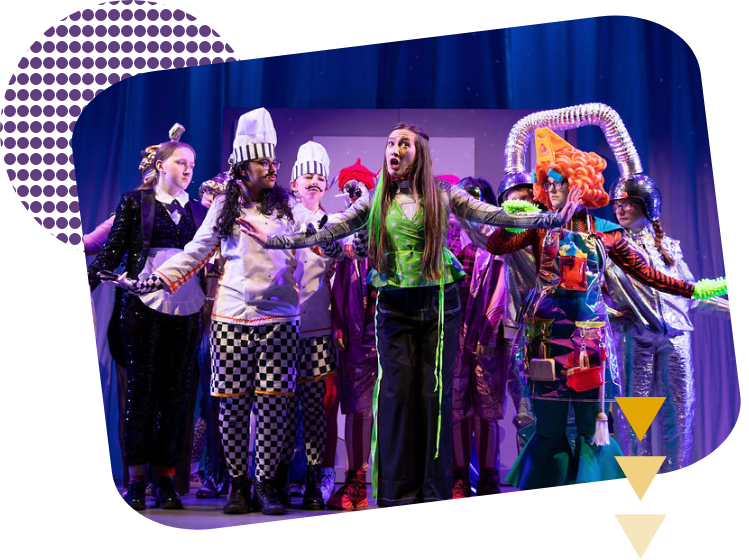
Frankie Stein was directed by Stellar Quines Artistic Director Caitlin Skinner, the show featured a performing company including Yana Harris in the lead role of Frankie alongside Fife based actors Shona White and Antony Strachan. They were joined by members of Stellar Quines feminist youth theatre Young Quines who were involved in the development of the show and a Community Company of local women and non-binary people.